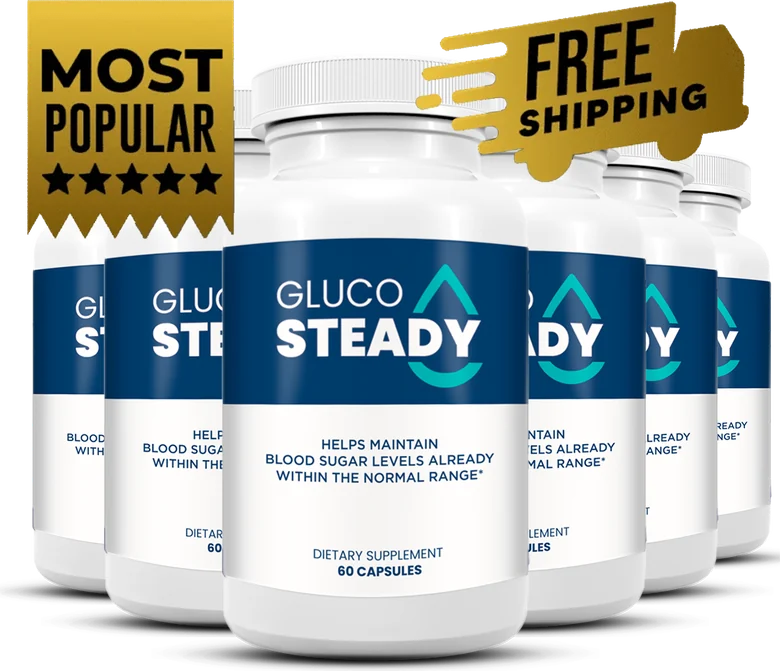
How To Read A Supplement Label
A checklist worth running on any blood-sugar-support product, not just this one.
Blood-sugar-support labels are especially prone to single-ingredient hype and format confusion. Before trusting any product in this category — including this one — here's the checklist worth actually running.
1. One miracle ingredient, or several mapped pathways?
A page built entirely around one compound is making a narrower claim than the biology usually supports. Look for ingredients that each target a different piece of glucose metabolism, not five variations on the same claim.
2. Does the packaging match the marketing?
Pull up the physical product photos and the sales copy side by side. If the format — capsule vs. liquid drops, serving count, dosage instructions — doesn't match between the two (or contradicts itself within the same page), that's worth flagging before you order.
3. Named ingredients, or a vague blend?
A proprietary blend lets a brand list a combined weight without disclosing how much of any single ingredient is inside. A label naming each ingredient individually gives you more to actually evaluate.
4. Manufacturing claims that actually mean something
“Made in the USA,” “FDA-registered facility,” and “GMP certified” are specific, checkable claims — not the same as FDA approval, since the FDA doesn't approve dietary supplements before sale.
5. Medication-interaction guidance, stated directly
If an ingredient can interact with diabetes medication — as Berberine and Chromium can — a trustworthy page says so plainly rather than burying it in fine print.